

5 Early Signs of Fatty Liver You Should Never Ignore
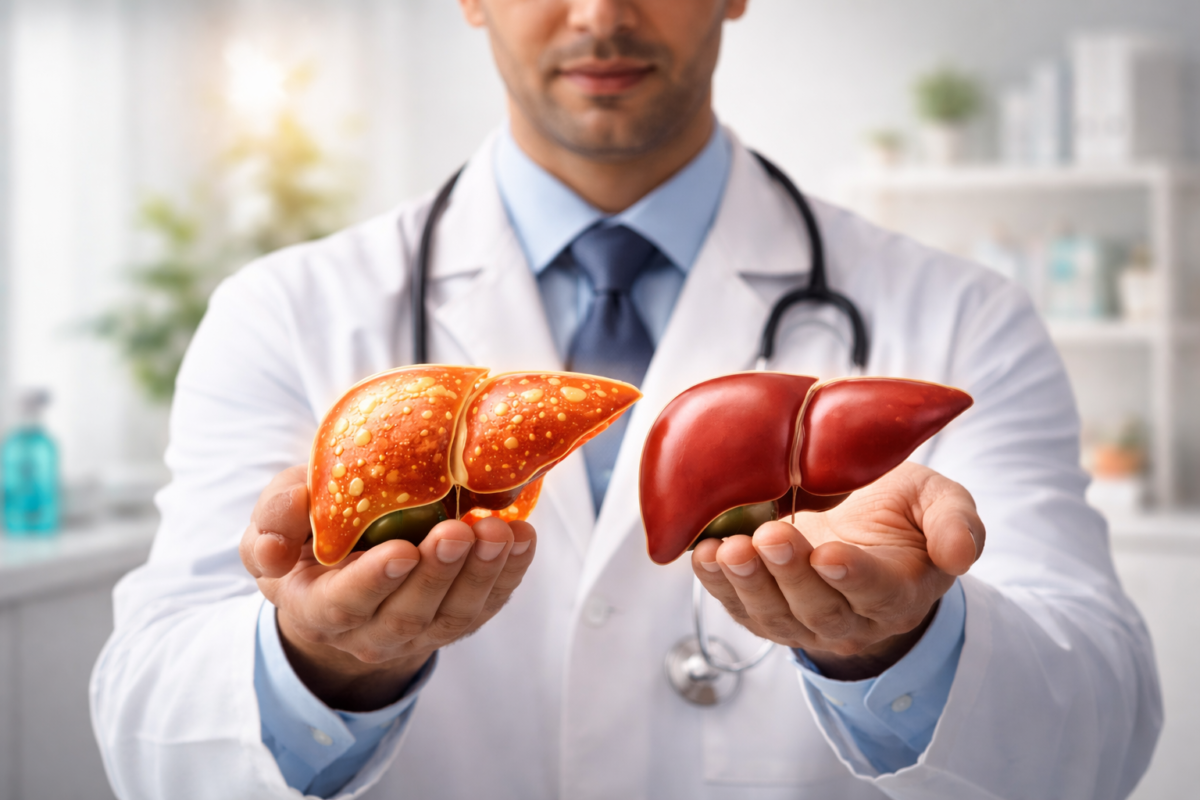
Early signs of fatty liver
Fatty liver disease is becoming one of the most common health problems in modern society. Especially in urban lifestyles, the number of people suffering from fatty liver has increased rapidly over the past few years.
Many people are unaware that they have fatty liver because the symptoms in the early stage are usually mild and often ignored. According to several studies, a large percentage of adults in urban India may be affected by non-alcoholic fatty liver disease (NAFLD).
The biggest concern with fatty liver disease is that it is often considered a silent condition. It develops slowly and may not show obvious symptoms in the beginning. As a result, many individuals only discover it when the condition has already progressed.
If fatty liver is not identified and managed on time, it can eventually lead to serious complications such as liver inflammation, fibrosis, or even liver cirrhosis.
That is why it is extremely important to understand the early warning signs of fatty liver disease so that timely action can be taken to protect liver health.
In this article, we will discuss five common symptoms that may indicate the presence of fatty liver in its early stages
What Is Fatty Liver Disease
The liver is one of the most important organs in the human body. It performs several essential functions including digestion, metabolism, detoxification, and energy production.
Normally, the liver contains only a small amount of fat. However, when fat accumulation in the liver exceeds 10 percent of the liver’s weight, the condition is referred to as fatty liver disease.
Fatty liver disease is mainly classified into two types
1. Non-Alcoholic Fatty Liver Disease (NAFLD)
This is the most common type of fatty liver disease. It usually develops due to lifestyle-related factors such as:
- Unhealthy diet
- Obesity
- High cholesterol levels
- Diabetes
- Insulin resistance
- Lack of physical activity
2. Alcoholic Fatty Liver Disease
This condition occurs in people who consume excessive amounts of alcohol over a long period of time. Alcohol can damage liver cells and lead to fat accumulation within the liver.
Now the important question is: How can someone know if they might have fatty liver disease?
Let’s explore the common warning signs

1. Constant Fatigue and Weakness
One of the earliest and most common symptoms of fatty liver disease is persistent fatigue.
Many people experience unusual tiredness throughout the day even after getting enough sleep at night. They may feel physically drained, mentally sluggish, and unable to focus properly on tasks.
This happens because the liver plays a key role in converting food into usable energy. When fat accumulates in the liver cells, its efficiency decreases. As a result, the body may not receive adequate energy, leading to constant fatigue.
Common signs related to this symptom include:
- Feeling tired all day
- Reduced mental alertness
- Low energy levels
- Difficulty concentrating
If fatigue persists despite proper rest, it may be worth investigating liver health
2. Discomfort in the Upper Right Abdomen
The liver is located on the upper right side of the abdomen, just below the rib cage.
When fat accumulates in the liver, some individuals may experience a feeling of heaviness or mild discomfort in this region. The sensation is usually not a sharp pain but rather a dull pressure or fullness.
Possible symptoms include:
- A feeling of heaviness below the right ribs
- Mild swelling sensation in the abdomen
- Discomfort after consuming fatty foods
- Pressure in the upper abdominal area
Because this discomfort is often mild, many people mistake it for gas or indigestion and ignore it
3. Digestive Problems
Fatty liver disease is closely linked to digestive health.
The liver produces bile, a digestive fluid that helps break down fats in the food we eat. When the liver’s function is compromised, bile production and flow may be affected.
As a result, individuals with fatty liver may experience various digestive disturbances such as:
- Acid reflux or acidity
- Bloating after meals
- Indigestion
- Constipation
- Reduced appetite
If these symptoms occur frequently, especially after consuming oily or heavy meals, they may indicate liver stress
4. Increased Belly Fat
Another strong indicator of fatty liver disease is central obesity, which refers to excess fat accumulation around the abdomen.
Medical research suggests a strong link between belly fat and liver fat. Both conditions are often associated with insulin resistance, a metabolic condition where the body becomes less responsive to insulin.
Some people may notice that while the rest of their body appears normal, their abdomen gradually becomes larger.
Health experts often consider the following measurement as a warning sign:
- Waist circumference greater than 90 cm in men
A useful way to estimate visceral fat risk is by calculating the waist-to-height ratio.
If the waist measurement divided by height is greater than 0.5, it may indicate higher visceral fat and potential fatty liver risk
5. No Visible Symptoms in Early Stages
Interestingly, one of the most concerning aspects of fatty liver disease is that many people experience no symptoms in the early stage.
This is why fatty liver often remains undiagnosed for years until routine blood tests reveal abnormal liver enzyme levels.
Because the disease can progress silently, regular health checkups are essential
Tests That Can Help Detect Fatty Liver
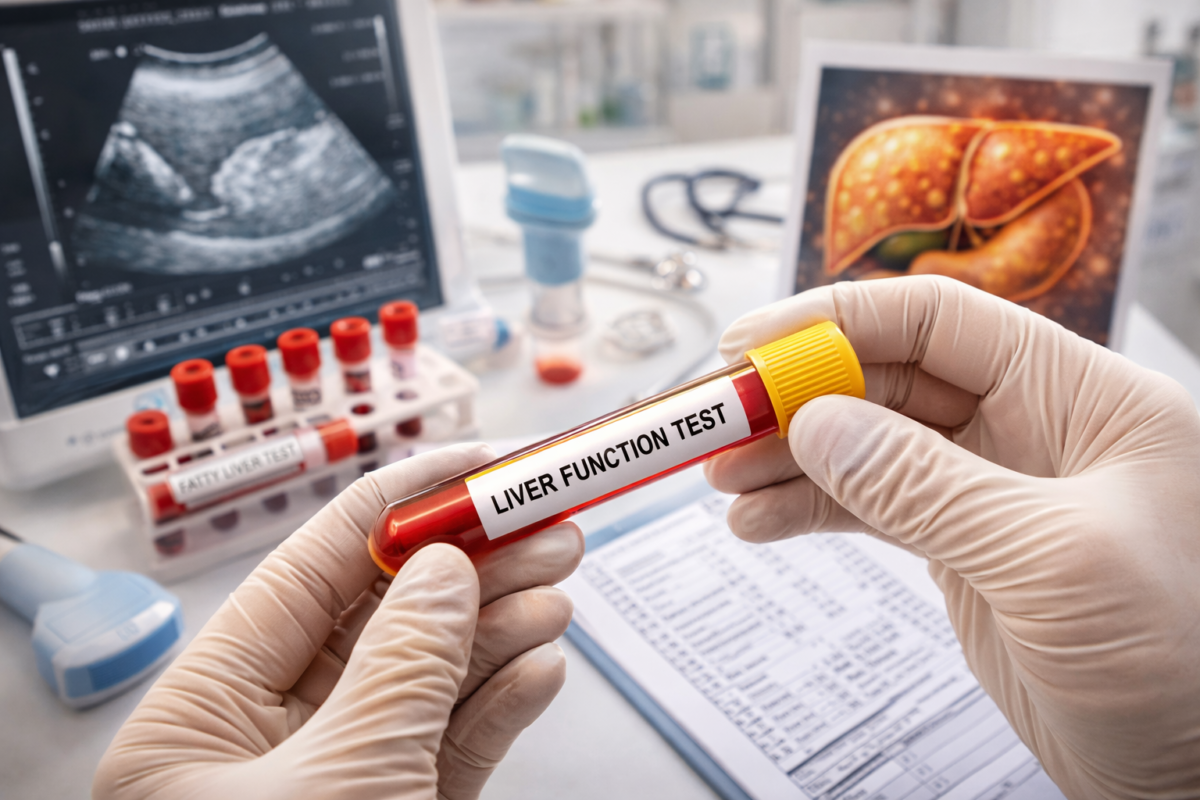
Several routine medical tests can help identify fatty liver disease
1. SGOT and SGPT Blood Tests
These are liver enzyme tests. Elevated levels of these enzymes may indicate liver inflammation or damage
2. Lipid Profile Test
High triglycerides, LDL cholesterol, and VLDL levels are often associated with fatty liver
3. Fasting Blood Sugar and Insulin Test
Insulin resistance and elevated fasting blood sugar levels are commonly seen in individuals with fatty liver disease
Lifestyle Changes That Can Help Protect Your Liver
The good news is that fatty liver disease can often be managed or even reversed in its early stages through lifestyle modifications.
Here are some important steps to support liver health:
- Maintain a balanced and nutritious diet
- Exercise regularly
- Manage body weight
- Reduce sugar and processed foods
- Limit alcohol consumption
- Get adequate sleep
- Manage stress effectively
Conclusion
Fatty liver disease is becoming increasingly common, especially due to modern lifestyle habits. The condition often develops silently, which makes early awareness extremely important.
Recognizing symptoms such as persistent fatigue, digestive problems, abdominal discomfort, and increasing belly fat can help individuals identify potential liver issues early.
Regular health checkups, healthy lifestyle habits, and proper medical guidance can go a long way in protecting liver health and preventing serious complications
Author
Dr. Salim
Dr. Salim is a health educator and content creator who shares practical information about healthy lifestyle, nutrition, and natural wellness. His goal is to help people understand health topics easily and encourage them to adopt healthier habits for long-term well-being
Also Read:
👉 5 Early Signs of Fatty Liver You Should Never Ignore