What Are Piles (Hemorrhoids)? Diet, Habits, and Natural Ways to Manage Piles Without Surgery
piles treatment without surgery
If you experience burning sensation, pain, or bleeding while passing stool, or you feel discomfort around the anal area during bowel movements, it could be an early sign of piles, also known as hemorrhoids. Many people ignore this condition due to embarrassment or lack of awareness, but the truth is that piles have become a very common health problem in modern lifestyles.
Poor eating habits, low fiber diet, dehydration, long hours of sitting, and chronic constipation are some of the most common causes of piles. The good news is that in nearly 90% of cases, piles can be managed without surgery simply by improving diet and lifestyle habits.
Piles do not appear suddenly. They are usually the result of long-term digestive stress and pressure on the veins around the rectum. When the body sends such signals, it means that the digestive system needs attention.
In this article, we will discuss in detail:
- What piles are
- Why piles occur
- Types of piles
- Foods that worsen piles
- Foods that help improve piles
- Natural remedies for piles
- Lifestyle changes that support recovery
What Are Piles (Hemorrhoids)?
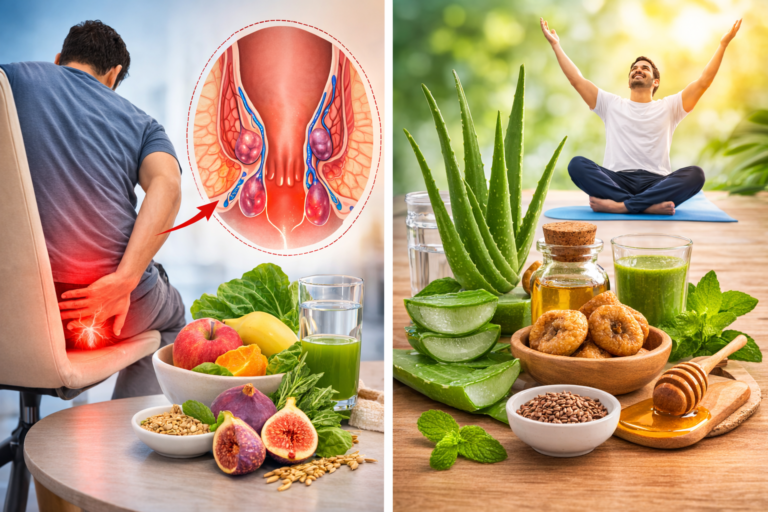
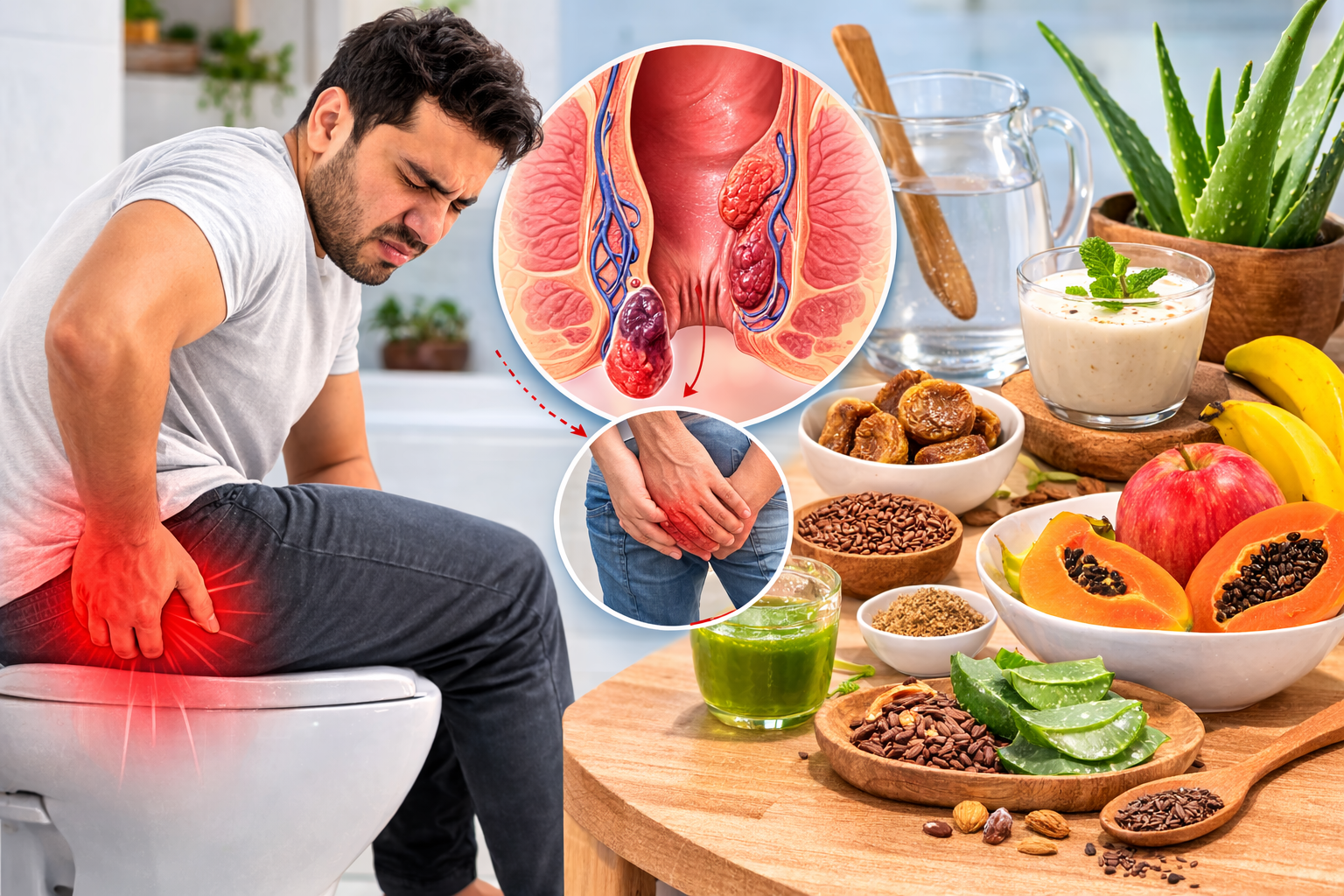
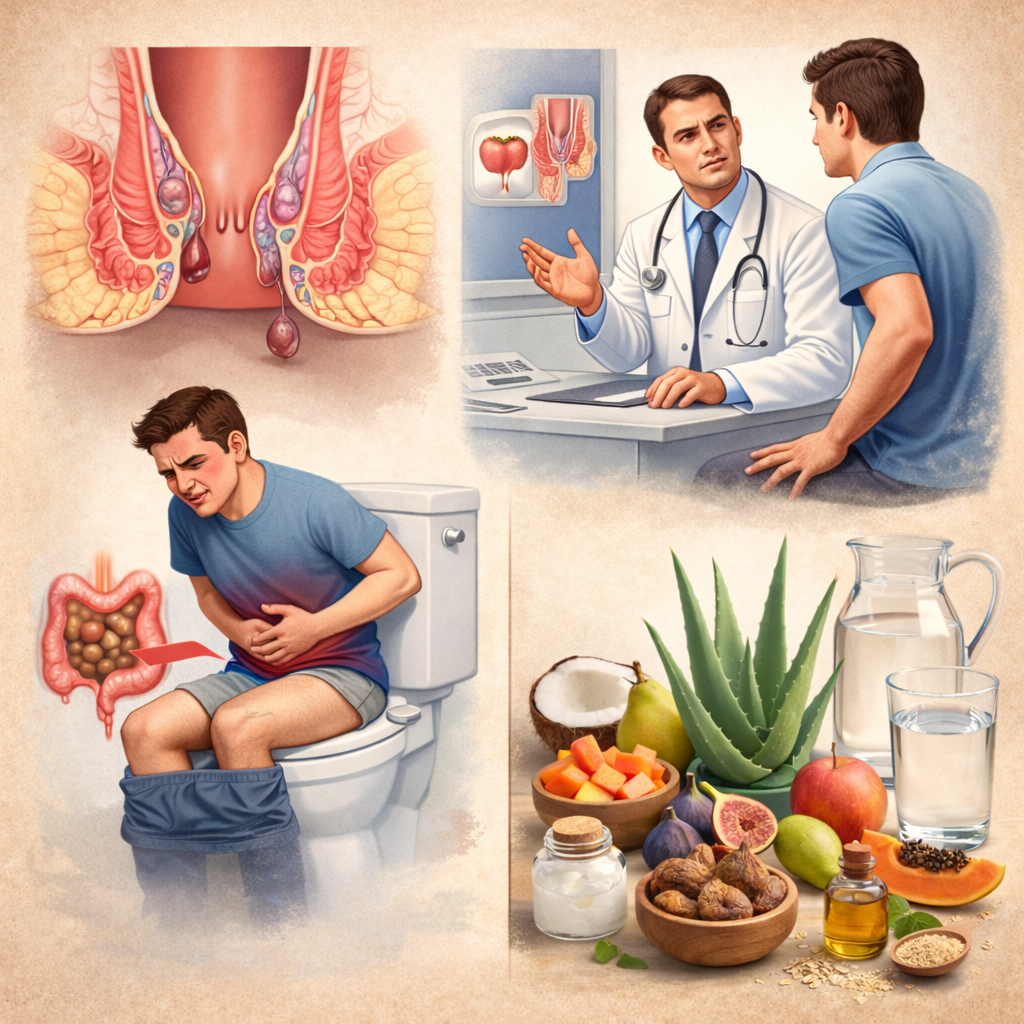
Piles, medically known as hemorrhoids, are swollen veins located in the lower rectum and anus. These veins become enlarged when excessive pressure builds up in the anal region.
To understand this better, imagine a rubber balloon that is continuously filled with air. As the pressure increases, the balloon expands. Similarly, when excessive pressure is placed on the veins around the rectum—often due to constipation or straining during bowel movements—the veins swell and develop into piles.
Piles can cause several uncomfortable symptoms including pain, itching, bleeding, and swelling around the anal area
Types of Piles
Piles are generally classified into two main types.
1. Internal Piles
Internal piles develop inside the rectum. In the early stages, they are not visible and often painless. However, one of the common signs of internal piles is bleeding during bowel movements
2. External Piles
External piles occur outside the anus and are visible as swollen lumps around the anal area. These can be painful, itchy, and sometimes cause significant discomfort when sitting or passing stool
Common Causes of Piles
Piles usually develop due to long-term strain on the rectal veins. Several factors can contribute to this pressure.
Some of the most common causes include:
- Chronic constipation
- Low fiber diet
- Insufficient water intake
- Excessive straining during bowel movements
- Prolonged sitting
- Obesity
- Pregnancy
- Poor digestive health
- Lack of physical activity
When these factors persist for a long time, the pressure in the anal veins increases, eventually leading to piles
Foods That Can Worsen Piles
If you are suffering from piles, certain foods should be avoided because they can worsen symptoms and increase inflammation
1. Spicy and Highly Seasoned Foods
Very spicy foods can irritate the digestive system and increase inflammation around the rectal area. Chili, strong spices, and heavily seasoned meals may worsen burning sensations during bowel movements.
For noticeable improvement, it is often recommended to avoid spicy foods for at least 6–8 weeks
2. Fried Foods
Deep fried foods such as samosas, pakoras, chips, and fried snacks are low in fiber and high in unhealthy fats. These foods slow down digestion and may worsen constipation, which increases pressure during bowel movements
3. Refined Flour Products
Foods made with refined flour (maida) such as white bread, biscuits, pastries, cakes, and processed snacks contain very little fiber. These foods can slow digestion and contribute to constipation
4. Red Meat and Processed Meat
Red meat and processed meats are harder to digest and may increase internal heat and inflammation in the digestive system. Excess consumption can worsen symptoms of piles
Foods That Help Manage Piles
A healthy diet plays a crucial role in managing piles. Foods rich in fiber and hydration support healthy bowel movements and reduce pressure on rectal veins
1. Buttermilk
Buttermilk is extremely beneficial for digestive health. It helps cool the body and supports smoother bowel movements.
Drinking one glass of buttermilk after lunch, preferably with roasted cumin powder, can help improve digestion and reduce inflammation
2. Fiber-Rich Fruits
Fruits rich in fiber help soften stools and prevent constipation.
Some beneficial fruits include:
- Apples
- Pears
- Bananas
- Papaya
These fruits support healthy digestion and reduce straining during bowel movements
3. Green Vegetables
Vegetables high in fiber support bowel health and help regulate digestion.
Recommended vegetables include:
- Bottle gourd
- Ridge gourd
- Pumpkin
- Cucumber
- Spinach
- Cabbage
These vegetables are gentle on the digestive system and support smoother bowel movements
Natural Remedies for Piles
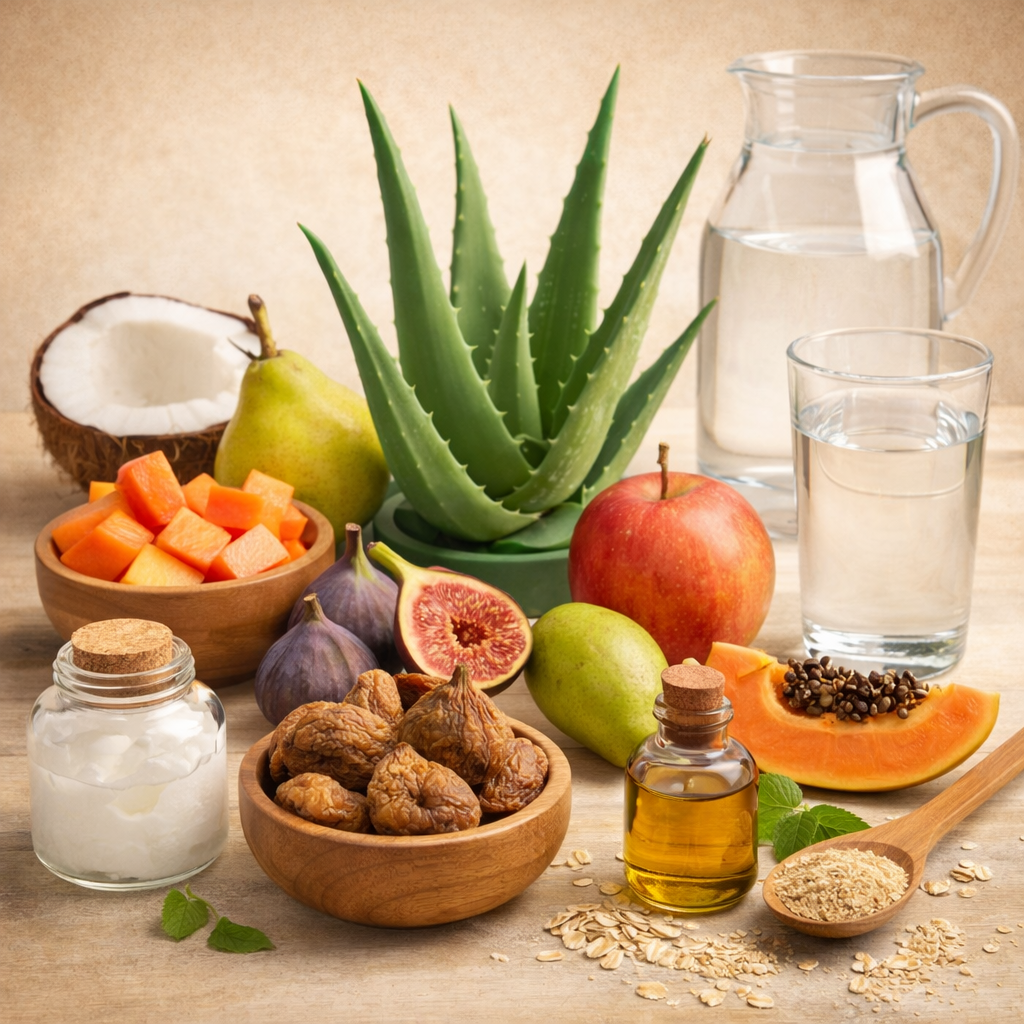
Several natural remedies may provide relief from piles symptoms
1. Soaked Figs
Soaking two to three figs overnight and consuming them in the morning can help improve bowel movements and reduce constipation
2. Aloe Vera
Aloe vera is known for its soothing and anti-inflammatory properties. It may help reduce irritation and discomfort around the anal region
3. Coconut Oil
Applying coconut oil externally may help reduce itching and irritation in some cases
Lifestyle Changes That Help Manage Piles
Diet alone is not enough to manage piles. Lifestyle changes also play an important role
1. Regular Walking
Daily walking improves digestion and supports healthy bowel movements
2. Drink More Water
Drinking 8–10 glasses of water daily helps keep stools soft and prevents constipation
3. Avoid Sitting for Long Periods
Prolonged sitting increases pressure in the rectal veins. Taking short breaks and moving around regularly can help
How to Prevent Piles
Preventing piles largely depends on maintaining good digestive health.
Here are some preventive tips:
- Eat a high-fiber diet
- Drink plenty of water
- Exercise regularly
- Avoid excessive straining during bowel movements
- Limit spicy and processed foods
- Maintain a healthy weight
These habits can significantly reduce the risk of developing piles
When to See a Doctor
Although many cases of piles can be managed with diet and lifestyle changes, medical attention may be necessary if symptoms become severe.
Consult a healthcare professional if you experience:
- Heavy bleeding
- Severe pain
- Dizziness or weakness
- Persistent symptoms despite treatment
Early diagnosis can help prevent complications
Conclusion
Piles are not an uncommon condition, but they should not be ignored. They are often a sign that the digestive system has been under stress for a long time.
By adopting healthier eating habits, increasing fiber intake, drinking enough water, and maintaining an active lifestyle, many cases of piles can be managed without surgery.
Taking timely action and paying attention to your body’s signals can help you avoid complications and maintain better digestive health
Author: Dr. Salim
Health & Wellness Research Writer
Also Read:
👉 Piles (बवासीर) क्या है? सही डाइट और आदतों से बिना ऑपरेशन पाइल्स कैसे ठीक करें